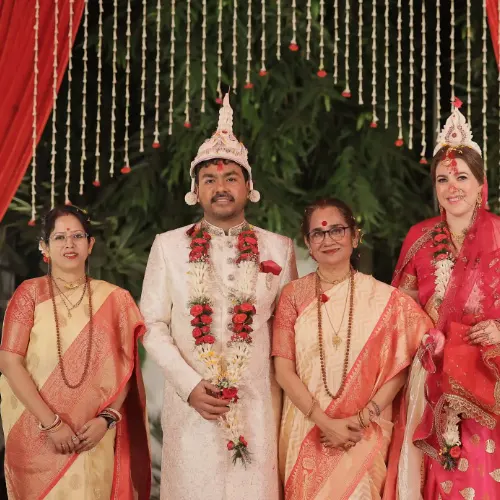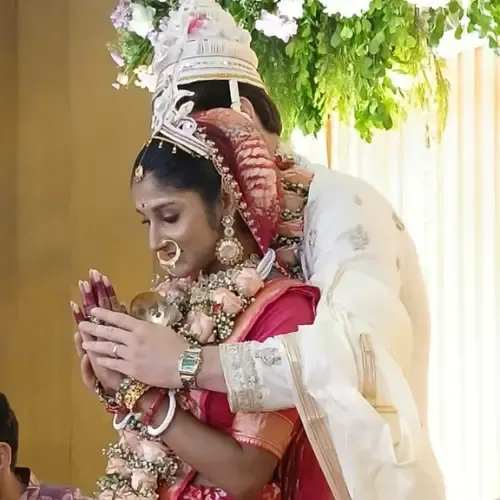
Vedic Marriage is one of the oldest and most spiritually profound institutions described in Hindu scriptures. Its foundation can be traced back thousands of years to the sacred hymns of the Rigveda and Atharvaveda. In these scriptures, marriage is not merely a social arrangement but a sacred samskara a spiritual refinement that marks an important transition in life. It was designed to unite two individuals not just physically or emotionally, but spiritually, aligning them toward shared duties and higher purpose.
In ancient Vedic society, marriage symbolized the harmonious balance between Purusha (consciousness) and Prakriti (creative energy). The couple was seen as partners in Dharma (righteous living), Artha (prosperity), Kama (love), and Moksha (liberation). This philosophical depth makes Vedic Marriage timeless and spiritually significant even today. Unlike modern contractual views of marriage, the Vedic system emphasizes lifelong companionship rooted in faith, mutual respect, and sacred responsibility.
Every ritual in a Vedic Marriage carries symbolic and spiritual importance. The ceremony takes place in the presence of Agni, the sacred fire, which acts as a divine witness to the vows. Fire represents purity, transformation, and illumination, reminding the couple that marriage is a journey of continuous growth.
One of the most important rituals is Kanyadaan, where the bride’s parents entrust their daughter to the groom, symbolizing trust and sacred responsibility. Panigrahan follows, where the groom formally accepts the bride’s hand while Vedic mantras are chanted. The chanting of these mantras is not decorative it is vibrationally powerful, creating a spiritually charged atmosphere that invokes divine blessings.
The most defining moment of Vedic Marriage is Saptapadi, the Seven Sacred Steps. With each step, the couple makes vows for nourishment, strength, prosperity, happiness, progeny, harmony, and lifelong friendship. These vows transform the relationship into a sacred partnership. Once the Saptapadi is completed, the marriage is considered spiritually binding and complete.
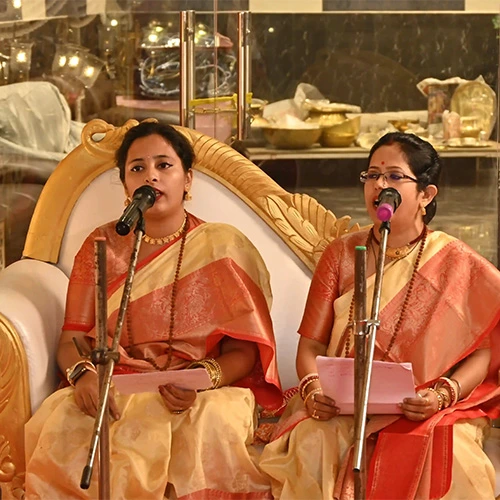
Vedic mantras are the soul of the ceremony. They are composed in Sanskrit, a language known for its precise vibrational energy. When pronounced correctly, these mantras are believed to harmonize the environment and align the couple’s energies with cosmic forces.
The priest plays a crucial role in ensuring authenticity and clarity. Traditionally, a knowledgeable Vedic priest would not only chant but also guide the couple in understanding the responsibilities they are accepting. In modern times, explaining the meaning of these mantras has become increasingly important so that couples connect emotionally and intellectually with the ceremony.
Vedic Marriage is not about grand decoration or social display; it is about invoking divine presence and committing to shared spiritual growth. The mantras transform the ritual from a mere event into a deeply meaningful life milestone.
While the core essence of Vedic Marriage remains unchanged, its presentation has evolved. Today’s couples value simplicity, clarity, and inclusivity while maintaining traditional authenticity. Many families seek ceremonies that are spiritually rich but not overly complicated.
Modern Vedic weddings often incorporate bilingual explanations so guests can understand the significance of each ritual. There is also a growing emphasis on equality within marriage, reflecting the original Vedic philosophy that husband and wife are complementary partners.
Despite changing trends, the sacred fire, Vedic mantras, and Saptapadi continue to form the heart of the ceremony. This adaptability proves that Vedic Marriage is not outdated; rather, it is timeless and flexible enough to resonate with every generation.
At Sumangalam, we believe that a Vedic Marriage is a divine journey that must be conducted with authenticity, devotion, and understanding. Our mission is to preserve the sanctity of ancient Vedic traditions while aligning them with modern sensibilities.
We ensure that every mantra is chanted accurately and that families understand the meaning behind each ritual. Our approach bridges the gap between scripture and contemporary life. By combining traditional knowledge with compassionate guidance, Sumangalam creates ceremonies that are spiritually powerful and emotionally fulfilling.
Our mantra is simple: preserve purity, promote understanding, and celebrate sacred union with dignity. We honor the wisdom of the Vedas while adapting thoughtfully to present-day needs. Through dedication and spiritual commitment, Sumangalam continues to carry forward the legacy of Vedic Marriage into today’s world with grace and reverence.
In a fast-paced and constantly changing world, Vedic Marriage offers stability and deeper meaning. It teaches that marriage is not just about celebration but about shared responsibility, spiritual companionship, and collective growth.
The sacred vows remind couples that love must be nurtured through patience, respect, and faith. The presence of Agni symbolizes transformation, encouraging partners to evolve together rather than apart.
Choosing a Vedic Marriage means choosing a union grounded in tradition yet alive with purpose. It connects generations, preserves heritage, and strengthens the foundation of family life.
If you are planning a Vedic Marriage and wish to experience a ceremony rooted in authenticity and spiritual depth, Sumangalam is here to guide you. Let us help you celebrate your sacred union through meaningful rituals and powerful Vedic mantras that honor your tradition while embracing modern understanding.
Connect with Sumangalam today and begin your divine journey with blessings, devotion, and timeless Vedic wisdom.
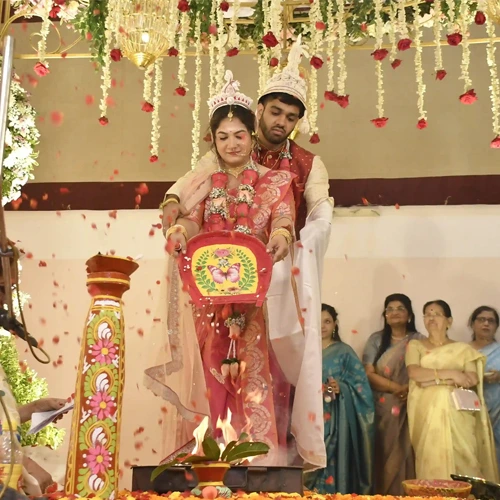
Wedding Service in West Bengal by Sumangalam


© 2025 Sumangalam . All Rights Reserved | Design & Developed by DITS